
Meeting Themes
Co-constitution of Space Technologies and Gender
I.
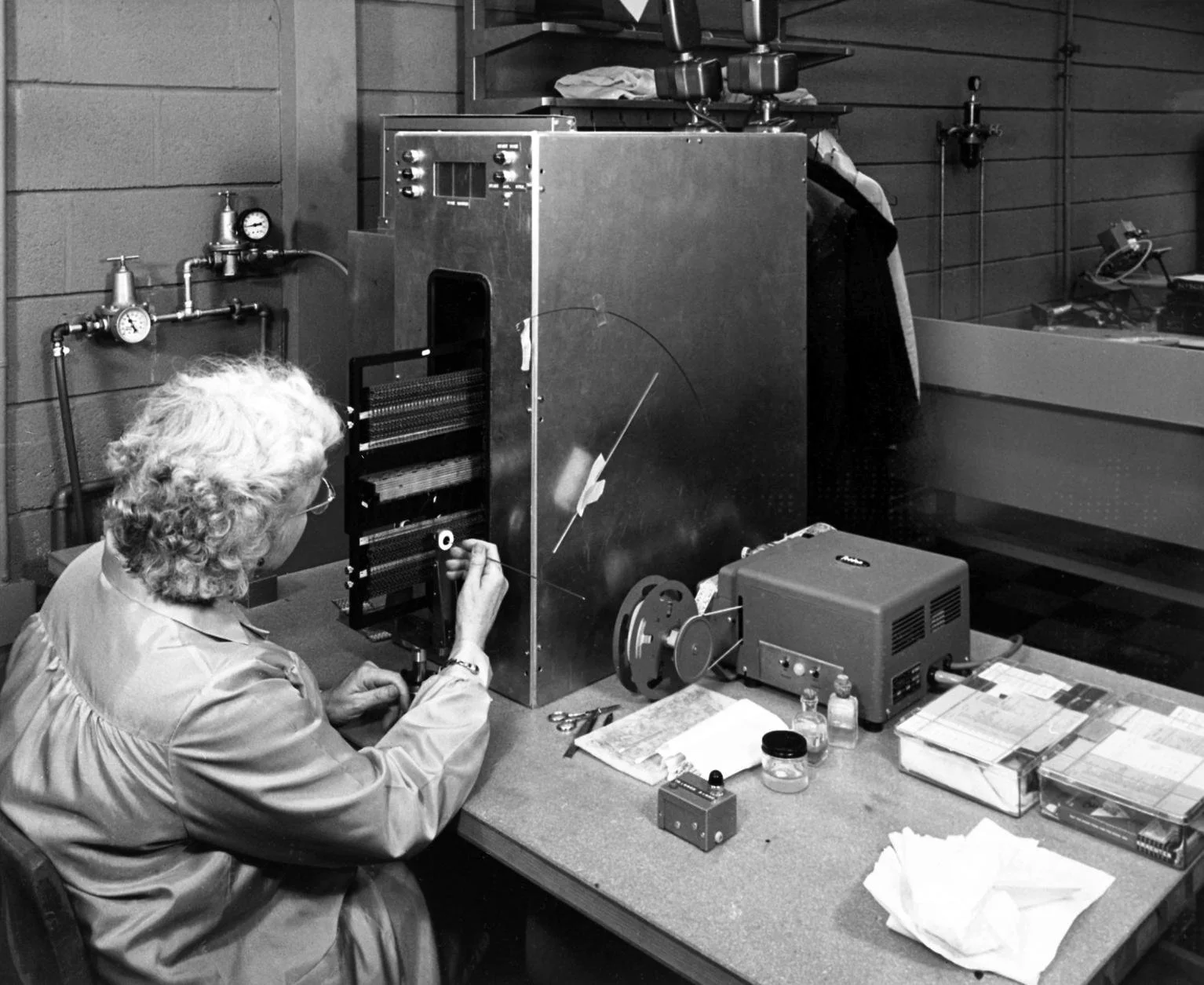
Our first approach draws on insights from STS and the history of technology about the co-constitutive nature of technology and gender (Balsamo 1996; Haraway 1991; Oldenziel 1999; Wajcman 1991, 2013). This session will focus on unveiling how gendered societal power relations, global politics, and corporate dynamics have impacted the ways in which specific space technologies have been developed, including how these influenced and continue to influence choices made between competing paths of technological development. Key questions and perspectives that will be tackled in this session will be around questions of gendered astronaut subjectivities that have guided the development and design of space suits, space sleeping quarters, and other human spaceflight-related infrastructures; and ideologies underpinning the constructions of wider space technology infrastructure (Armstrong & Terminatė 2021; de Paulis & Haramia 2023; Klimburg-Witjes 2024; Sammler 2024; Temmen 2023). This theme will also further feminist STS understandings of how gender is shaped by technology, showing that space infrastructures like satellite surveillance (Bennett et al. 2022; Damjanov 2017; Heßler 2025; Weber 2024) and gendered body burdens of environmental pollution from space technologies (Armstrong and Klinger 2025; Bauhardt 2013; Parks and Schwoch 2012; Klinger 2021) have material impacts on the contemporary social constructions of gender. Following this, we will use feminist onto-epistemologies to devise novel methods to rethink hegemonic practices in the field (Boucher et al. 2024; Lange 2023).
Gendered Politics of Labour
II.
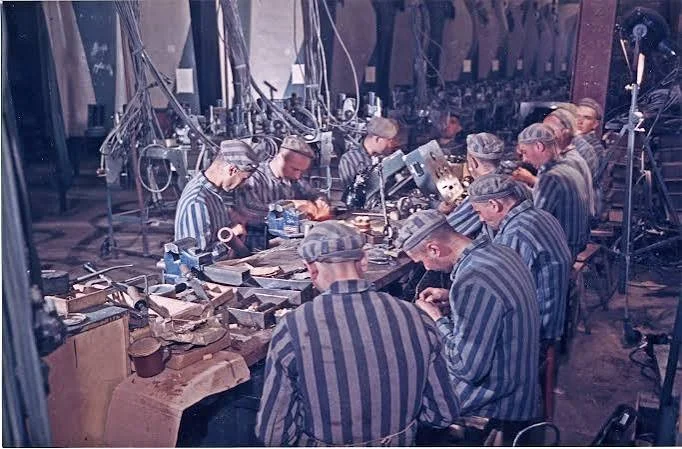
In our second theme, we take a feminist approach to labour in the context of outer space, unpacking gendered practices and assumptions that shape what labour is done and by whom, how labours in space are valued, and how this shapes the tacit and conceptual knowledge that is produced through engagement with outer space. Feminist labour studies scholars have shown how gendered spatial divisions of labour have been constructed historically, whereby public sphere work has been associated with wage labour and was assigned to men, and social reproductive work or care work was seen as belonging in the private sphere and has been assigned to women (Atanasoski and Vora 2019; Delphy 2016; Denis and Pontille 2014; Federici 2012; Hennessy and Ingraham 1997; James and López 2012). Thinking with work that has shown that, for example, the establishment of the subjectivity of the hypermasculine Apollo astronaut was constructed alongside and in explicit contrast to their Earth and home-bound, passive, but supportive wives (Sage 2009), this section will work towards uncovering how such gendered divisions of labour have been replicated or subverted within space engineering and space sciences, as well as how these divisions have influenced the subject formation of specific actors within space-related work (Cohn 2016; 2017; Gál 2020). Further, we will consider the politics of housework within space stations; emotional and communicative labour within space programs (Gál 2025; Hilck 2019); the issues of safety, harassment, and privacy that gender-minoritized populations face (Adams, 2023; Armstrong & Rand 2023); as well as how these are expressed in contrast to public work in spaces that are hegemonically understood as more masculine: policy, defence, manufacture, and tech-incubators where much of rise of NewSpace innovation and labour is taking place (Dy and Roberts 2025; Klimburg-Witjes 2024; Weber 2024). In doing so, we will also contribute to unveiling the histories of gendered actors whose contributions and roles within the space sciences and engineering have been systematically obscured within the public and space historical discourse due to a patriarchal focus on the achievements of male inventors, engineers, and astronauts (Gal & Armstrong 2023; Siddiqi 2025).
Environmental Imaginaries, Impacts, and Justice
III.
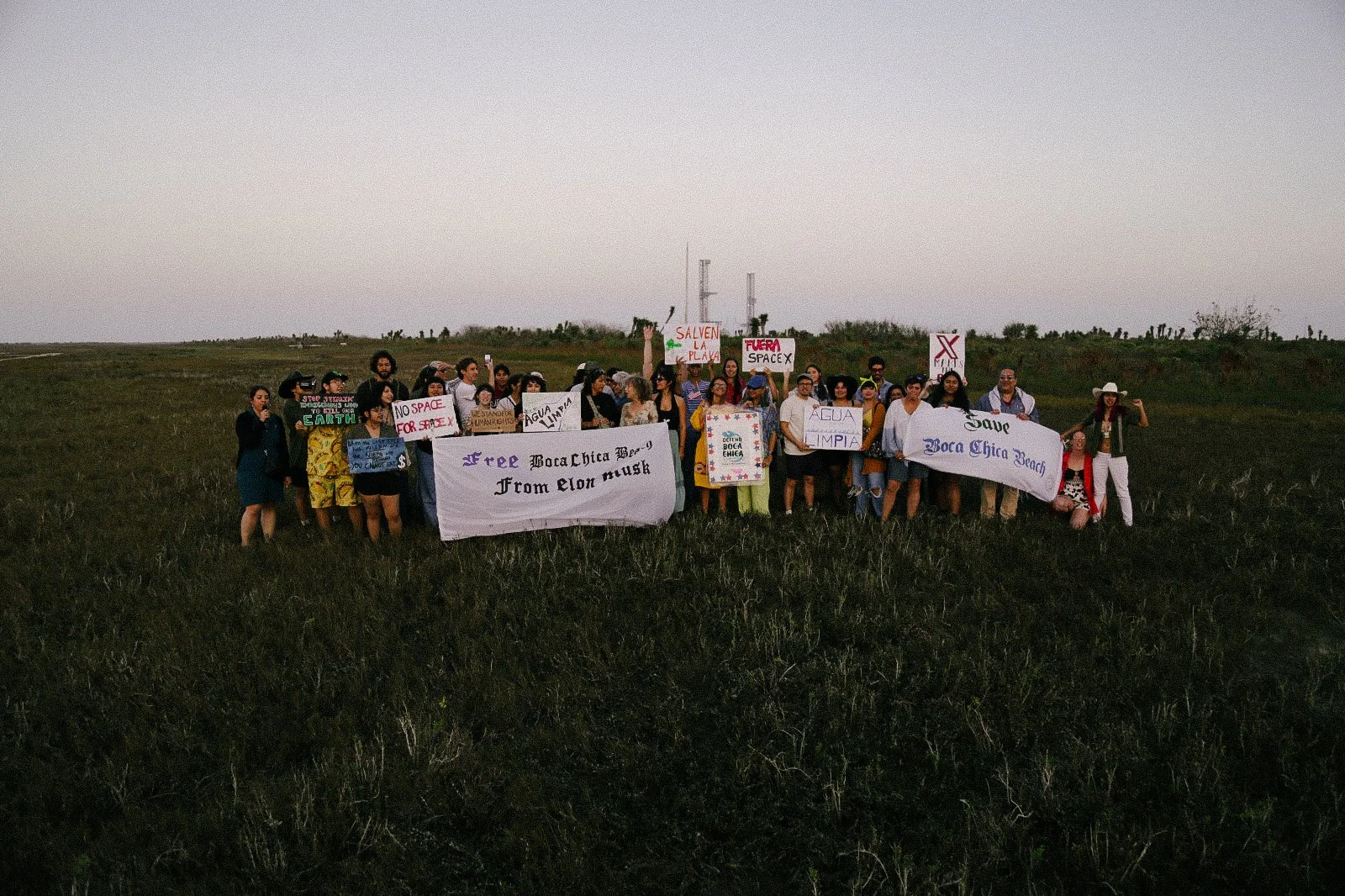
Our theme on the environment and space science research takes in the ecological imaginaries that underpin visions of outer space, the impacts of space research here on Earth, and acts and activism towards environmental and land justice relating to space research. From mining, resource extraction, and supply chains of resources for the creation of space technologies, launch sites for rockets, or the siting and construction of telescopes, existing research demonstrates that the intersections of the impacts of space research on Earth are wide-ranging, multiple, and intersecting. Drawing on feminist environmental and ecofeminist scholarly insights ranging from challenging the nature-culture divide to queer ecologies (Bauhardt 2013; Haraway 1991; Merchant 1989), this thematic focus will help translate knowledge gained from a focus on the material impacts of space research to new narratives that challenge the view of space technologies as dominating nature.
Legal and justice systems already intervene in space environments through legislation, such as the protection of planetary bodies and through regulation around debris and the environmental impacts of returns to Earth. However, these are unevenly applied to nations and private corporations, and feminist insight demonstrates how those least enfranchised are most impacted by the environmental impacts of space research and technologies (Bennett 2022; Burton 2023; Klinger 2017; 2021; Nieber 2024; Temmen 2022; 2023; Weber 2025). In this section we also turn to environmental justice campaigns led by Indigenous communities, scholarly activists about space research projects; as well as including how wider environmental justice campaigns draw on space technologies such as satellite images and mapping resources to advocate and raise the profiles of their causes and campaigns (Bennett et al. 2024; Klinger et al. 2023; Klinger, Armstrong, and Richaud 2024; Ojani 2024; Rand 2019). Developing this strand will strengthen the focus in feminist studies on environmental justice through and about space technologies, and will build the focus in social studies of space on the imaginaries, impacts, and (in)justices that intersect with the terrestrial and otherworldly environment.