

Feminist
Social Studies of
Outer Space
Network
Feminist Social Studies of Outer Space Network (FSN) will run meetings and activities between 2026-2029. Our funding, from the DFG, brings our network meetings to Germany. Germany’s history and present of space technology - from von Braun’s Nazi-military sponsored development of the V2 rocket in the 1930s through to the 2026 first launch on continental Europe by German space technology firm Isar Aerospace - offer the network a vibrant background against which to develop feminist interventions.
In recent years, space exploration has entered a new phase marked by increasing private sector involvement, popularly referred to as "NewSpace." Figures such as Elon Musk, CEO of SpaceX, and Jeff Bezos, CEO of Blue Origin, have positioned commercial spaceflight as a frontier of technological progress and human destiny. These narratives frame outer space as a site of inevitable human expansion, echoing colonial logics, and framing technology as the inescapable source of solutions to problems on Earth. Regional and national governments, such as the federal state of Bavaria, have responded with their own space initiatives, funneling significant investment into infrastructure and innovation in the space sector. Germany plays a central role in European space efforts: it is the largest national partner of the European Space Agency, and contributes significantly to various developments aimed at establishing a sustained human presence on the Moon. The German Aerospace Center, in collaboration with the European Space Agency, will soon host the European Moon Mission Control Centre in Oberpfaffenhofen.
While the visions of the NewSpace entrepreneurs are framed as universal, they are, in fact, shaped by narrow, gendered, and racialized assumptions about who designs, governs, and benefits from outer spatial futures. This NewSpace paradigm coincides with a discernible paternalistic and authoritarian shift among technological leaders of spaceflight, many of whom openly express anti-democratic rhetoric while consolidating power through the control of technological infrastructures. This ideological shift is also materially consequential: it influences how labour is organized, whose work is valued, how environmental costs are distributed, and ultimately, which extraplanetary futures are deemed worth pursuing. Feminist scholarly perspectives, the focus of the proposed Feminist Social Studies of Outer Space Network, can help us understand how these mechanisms operate and what their subversion and transformation could look like.

Meeting 1: Co-constitution of Space Technologies and Gender
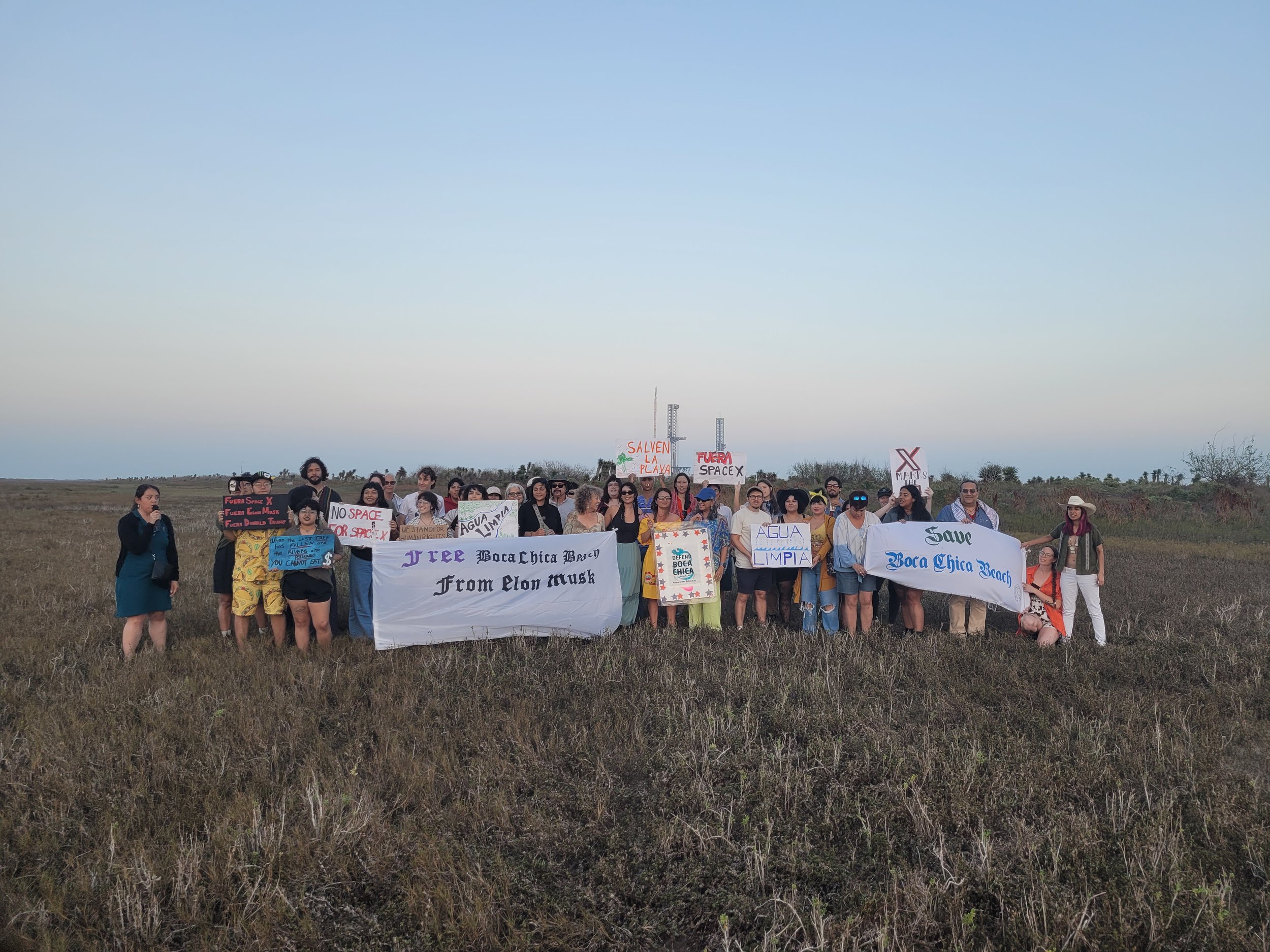
Meeting 2: Environmental Imaginaries, Impacts, and Justice
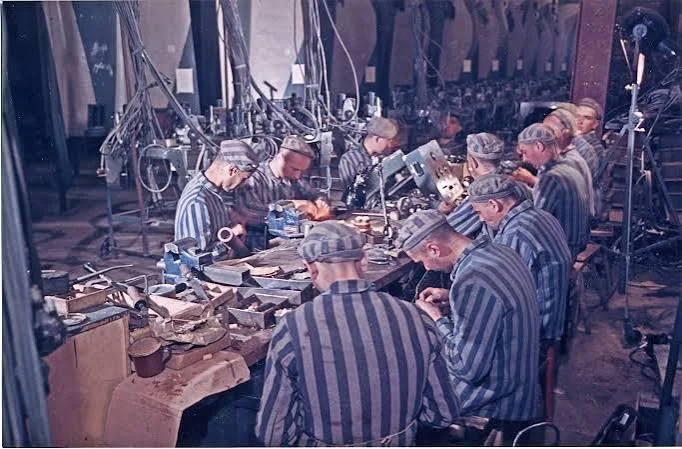
Meeting 3: Politics of Labour